
Enhance Senior Care with the Ultimate Remote Monitoring Toolkit: A Comprehensive Guide
As our population ages, the demand for quality senior care continues to rise. With advancements in technology, remote monitoring has emerged as a powerful tool to enhance the well-being of seniors while providing peace of mind to their loved ones. In this comprehensive guide, we will explore the ultimate remote monitoring toolkit and how it can revolutionize senior care.
Understanding Remote Monitoring
Remote monitoring involves the use of technology to track, record, and transmit health data from individuals in one location to healthcare providers in another location. This real-time data allows for proactive and personalized care, especially beneficial for seniors who may have chronic conditions or require ongoing medical attention.
The Benefits of Remote Monitoring for Seniors
1. Improved Health Outcomes: Remote monitoring enables healthcare providers to detect early warning signs and intervene promptly, reducing the risk of complications and hospitalizations.
2. Enhanced Independence: Seniors can age in place comfortably with the assurance that their health is being monitored without the need for frequent hospital visits or nursing home placement.
3. Peace of Mind: Family members and caregivers can have peace of mind knowing that their loved ones are safe and well-monaged, even from a distance.
Components of the Ultimate Remote Monitoring Toolkit
1. Wearable Devices
Wearable devices such as smartwatches, fitness trackers, and medical alert systems are equipped with sensors that can monitor vital signs, activity levels, and even detect falls. These devices provide real-time data that can be transmitted to healthcare providers for analysis.
2. Home Monitoring Systems
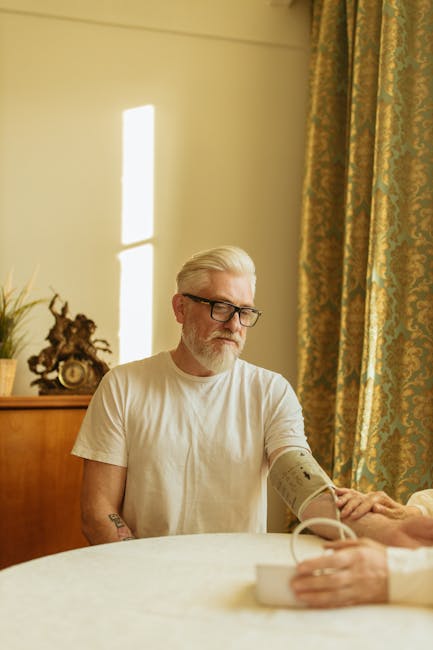
Home monitoring systems include sensors placed around the home to track movement, sleep patterns, and even environmental factors like temperature and air quality. These systems can alert caregivers to any deviations from the norm, enabling early intervention.

3. Telehealth Platforms
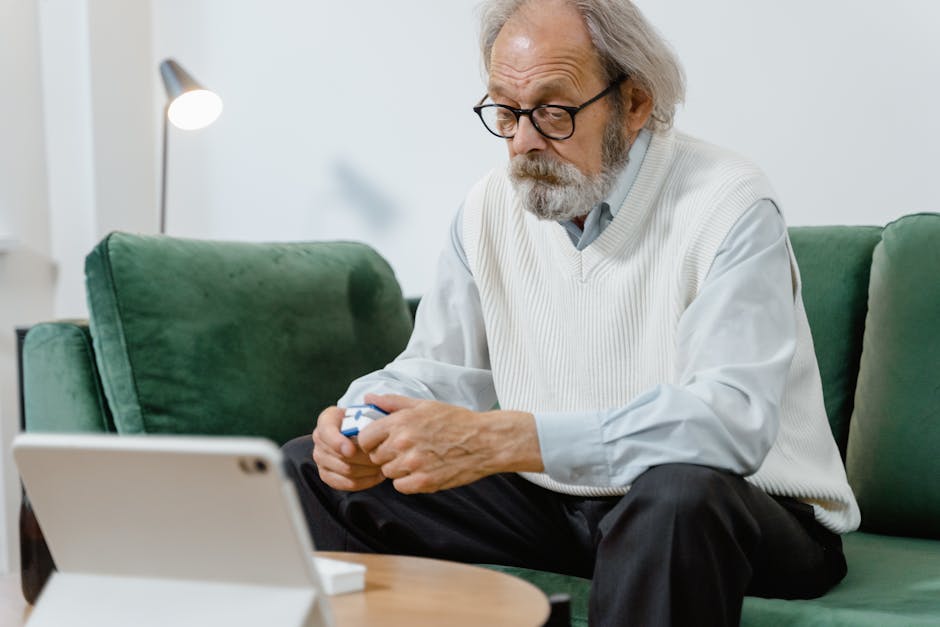
Telehealth platforms allow seniors to connect with healthcare providers remotely for consultations, follow-ups, and monitoring. Video calls, messaging, and virtual visits make it convenient for seniors to access care without leaving their homes.
4. Medication Management Tools
Medication management tools remind seniors to take their medications on time, track adherence, and can even dispense pills automatically. These tools help prevent medication errors and ensure seniors stay on top of their treatment regimens.
Implementing Remote Monitoring in Senior Care
Integrating remote monitoring into senior care requires careful planning and coordination between healthcare providers, caregivers, and seniors themselves. Here are some key steps to successfully implement a remote monitoring program:
1. Assessment
Conduct a thorough assessment of the senior’s health needs, living situation, and technological literacy to determine the appropriate remote monitoring tools to use.
2. Device Selection
Choose the right combination of devices based on the senior’s health conditions and lifestyle. Ensure that the devices are user-friendly and compatible with other systems used by healthcare providers.
3. Training and Support
Provide training to seniors and caregivers on how to use the remote monitoring tools effectively. Offer ongoing support and troubleshooting to address any issues that may arise.
4. Data Privacy and Security
Ensure that the remote monitoring system complies with healthcare privacy regulations and uses secure encryption protocols to protect the senor’s health data from unauthorized access.
Challenges and Considerations
While remote monitoring offers numerous benefits, there are challenges and considerations to keep in mind:
1. Technological Barriers
Seniors who are not familiar with technology may struggle to use remote monitoring devices effectively. Adequate training and support are essential to overcome this barrier.
2. Privacy Concerns
Seniors may have concerns about the privacy and security of their health data transmitted through remote monitoring systems. It is important to address these concerns and ensure data protection.
3. Integration with Healthcare Systems
Remote monitoring systems should seamlessly integrate with existing healthcare systems to ensure that healthcare providers have access to the data and can make informed decisions based on the information received.
The Future of Remote Monitoring in Senior Care
As technology continues to advance, the future of remote monitoring in senior care looks promising. Artificial intelligence, machine learning, and predictive analytics will play a significant role in enabling early detection of health issues and personalized interventions for seniors.
By harnessing the power of remote monitoring, we can enhance the quality of care for seniors, promote independence and aging in place, and provide peace of mind to families and caregivers. The ultimate remote monitoring toolkit is a game-changer in senior care, paving the way for a healthier and more connected future for our aging population.