

Mastering Bruising and Swelling: A Step-by-Step Guide for Fillers
Welcome to our comprehensive guide on mastering bruising and swelling when getting fillers. Fillers have become a popular non-invasive cosmetic procedure to enhance facial features, restore volume, and achieve a more youthful appearance. However, bruising and swelling are common side effects that can occur after getting fillers. In this guide, we will provide you with step-by-step strategies to minimize bruising and swelling, ensuring a smoother and more comfortable recovery process.
Understanding Bruising and Swelling
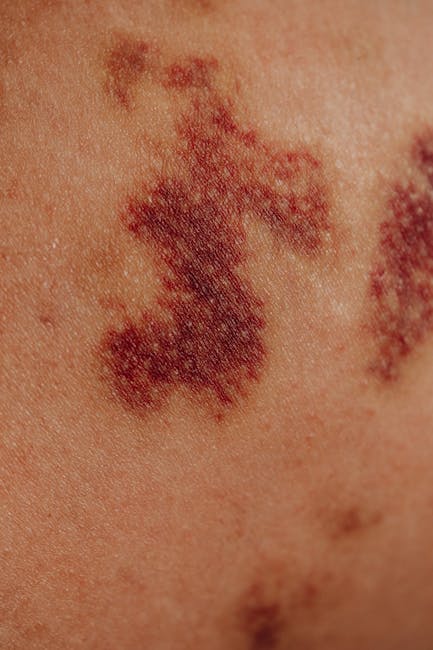
Before delving into the steps to manage bruising and swelling, it is essential to understand why these side effects occur. Bruising and swelling are common after getting fillers due to the injection process itself. When the filler is injected into the skin, it can cause trauma to the blood vessels and surrounding tissues, leading to bruising and swelling.
Factors that can influence the severity of bruising and swelling include:
- The type of filler used
- The skill of the injector
- The area treated
- Your individual healing process
Preventing Bruising and Swelling Before Your Filler Appointment
1. Choose an Experienced Injector
One of the most critical factors in minimizing bruising and swelling is choosing an experienced and skilled injector. A knowledgeable injector will know the proper injection techniques to reduce trauma to the skin and blood vessels, ultimately leading to less bruising and swelling.
2. Avoid Blood-Thinning Medications
Prior to your filler appointment, it is advisable to avoid blood-thinning medications such as aspirin, ibuprofen, and certain supplements like fish oil and vitamin E. These medications can increase the risk of bruising by thinning the blood and making it easier to leak from blood vessels.

3. Stay Hydrated and Avoid Alcohol
Proper hydration can help improve skin elasticity and reduce the likelihood of bruising. Additionally, alcohol consumption can lead to dehydration, making bruising and swelling more apparent. It is best to stay hydrated and limit alcohol intake before your filler appointment.
4. Apply Arnica Gel
Arnica gel is a natural remedy known for its anti-inflammatory properties. Applying arnica gel to the treatment area before and after your filler appointment can help reduce bruising and swelling. Consult with your healthcare provider before using any new topical treatments.
Managing Bruising and Swelling After Your Filler Appointment
1. Apply Cold Compresses
Immediately after your filler appointment, apply cold compresses to the treated area to help constrict blood vessels and reduce swelling. Cold compresses can also help numb the area and alleviate any discomfort you may experience.
2. Elevate Your Head While Sleeping
For the first night following your filler appointment, try to sleep with your head elevated by using an extra pillow. Elevating your head can help reduce swelling by preventing fluid buildup in the treated area.
3. Avoid Strenuous Activities
Avoid engaging in strenuous activities or exercises that can increase blood flow to the face, leading to more significant bruising and swelling. Relax and give your body time to heal after getting fillers.
4. Stay Cool and Avoid Heat
Avoid exposure to heat sources such as direct sunlight, saunas, hot showers, or hot compresses in the days following your filler appointment. Heat can exacerbate swelling and prolong the recovery process.
5. Stay Hydrated and Eat Well
Proper hydration and a healthy diet can help support your body’s healing process after getting fillers. Drink plenty of water, eat nourishing foods rich in vitamins and minerals, and avoid salty foods that can contribute to swelling.
When to Seek Medical Attention
In most cases, bruising and swelling after getting fillers are normal and temporary side effects that will resolve on their own. However, it is essential to be aware of the following signs that may indicate a more serious issue:
- Severe or increasing pain in the treated area
- Excessive bruising that does not improve over time
- Signs of infection such as redness, warmth, or pus
If you experience any of these symptoms, contact your healthcare provider immediately for further evaluation and guidance.
In Conclusion
Mastering bruising and swelling when getting fillers is possible with proper preparation and post-care strategies. By following the step-by-step guide outlined in this article, you can minimize the impact of bruising and swelling, enhancing your overall filler experience. Remember to consult with your healthcare provider or injector if you have any concerns or questions regarding your filler treatment and recovery process.