
Ultimate Guide: How to Set Up a Home Gym for Rehabilitation
Rehabilitation is an essential aspect of recovering from injuries, surgeries, or chronic conditions. It plays a crucial role in restoring strength, flexibility, and function to the body. Setting up a home gym for rehabilitation can provide convenience and flexibility in your recovery journey. In this comprehensive guide, we will explore how to create a home gym tailored to your rehabilitation needs.
Assess Your Needs and Goals
Before diving into setting up your home gym, it’s essential to assess your specific rehabilitation needs and goals. Consult with your healthcare provider, physical therapist, or rehabilitation specialist to understand the exercises, equipment, and intensity levels that are suitable for your condition. Consider any limitations or restrictions you may have and tailor your home gym setup accordingly.
Choose the Right Space
Selecting the right space for your home gym is crucial for creating a conducive and safe environment for your rehabilitation workouts. Ideally, choose a well-lit and well-ventilated room with enough space to accommodate your equipment and movement during exercises. Ensure the flooring is suitable for exercises, such as cushioned mats to provide comfort and traction.
Essential Equipment for Rehabilitation
When setting up a home gym for rehabilitation, it’s important to include a mix of equipment that can target different muscle groups, improve flexibility, and enhance overall strength and balance. Here are some essential pieces of equipment to consider:
1. Resistance Bands
Resistance bands are versatile and lightweight tools that can help improve strength and flexibility. They come in varying resistance levels, making them suitable for individuals of all fitness levels. Resistance bands can be used for a wide range of exercises targeting different muscle groups.
2. Stability Ball
A stability ball, also known as an exercise or Swiss ball, is effective for improving core strength, balance, and posture. It can be used for a variety of exercises, including core workouts, stretches, and balance training. Choose a stability ball that is the right size for your height.

3. Dumbbells
Dumbbells are versatile strength training tools that can target specific muscle groups or be used for full-body workouts. Start with a range of weights to accommodate different exercises and progress as you build strength. Proper form is crucial when using dumbbells to prevent injury.
4. Foam Roller
A foam roller is an excellent tool for self-myofascial release, helping to alleviate muscle tightness and improve mobility. Incorporating foam rolling into your routine can aid in muscle recovery and reduce the risk of injuries. Choose a foam roller with the appropriate density for your comfort level.
5. Yoga Mat
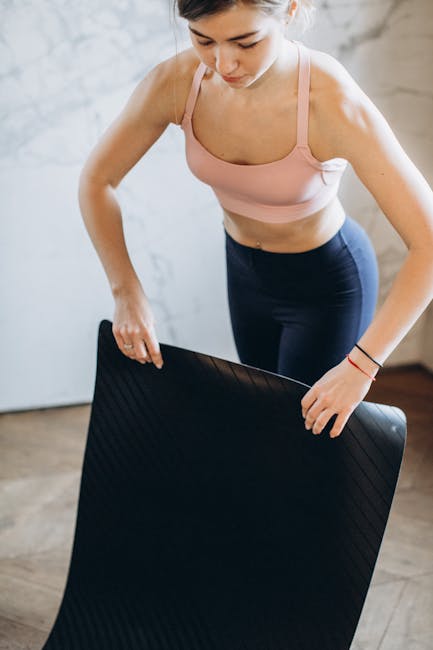
A yoga mat provides a comfortable and stable surface for floor exercises, stretching, and yoga practices. It can help cushion your body during workouts and prevent slipping. Look for a durable and non-slip yoga mat that suits your preferences.
6. Balance Pad
A balance pad is a soft, unstable surface that challenges your balance and proprioception. It can be used to improve stability, strength, and coordination, making it beneficial for rehabilitation exercises. Incorporate balance pad exercises gradually to enhance your balance skills.
Create a Versatile Workout Routine
Once you have selected the necessary equipment for your home gym, work with your healthcare provider or physical therapist to create a diverse and progressive workout routine. Focus on exercises that target your specific rehabilitation needs while gradually increasing the intensity and duration as you progress.

Include a mix of strength training, flexibility exercises, cardiovascular activities, and balance exercises to achieve a well-rounded workout routine. Listen to your body, take breaks as needed, and avoid pushing yourself beyond your limits to prevent injury.
Set Up a Motivating Environment
A motivating environment can enhance your home gym experience and keep you inspired to stay consistent with your rehabilitation workouts. Consider adding elements such as inspiring quotes, natural light, plants, or music that uplifts your mood and energy levels. Personalize your home gym space to make it a place where you feel motivated and focused.
Monitor Your Progress
Tracking your progress is essential in monitoring your rehabilitation journey and celebrating milestones along the way. Keep a workout journal or use fitness tracking apps to record your exercises, sets, reps, and any observations or feedback from your workouts. Regularly review your progress with your healthcare provider to make any necessary adjustments to your routine.
Safety First
When setting up a home gym for rehabilitation, safety should be your top priority. Ensure that your equipment is properly assembled, stable, and in good working condition. Follow proper form and technique during exercises to prevent injuries. Stay hydrated, warm up before workouts, and cool down afterward to aid in muscle recovery.
Consult your healthcare provider if you experience any pain, discomfort, or unusual symptoms during your workouts. They can provide guidance on modifications or adjustments to your routine to ensure a safe and effective rehabilitation process.
Conclusion
Setting up a home gym for rehabilitation can empower you to take control of your recovery journey and make consistent progress towards your health goals. By assessing your needs, choosing the right equipment, creating a versatile workout routine, and prioritizing safety, you can create a supportive environment for your rehabilitation exercises.
Remember to listen to your body, stay consistent with your workouts, and seek guidance from healthcare professionals as needed. Your home gym can be a space where you build strength, mobility, and resilience on your path to recovery.